
Power Integrity Simulation
Power Integrity Simulation

WHY Power Integrity (PI) Simulation?
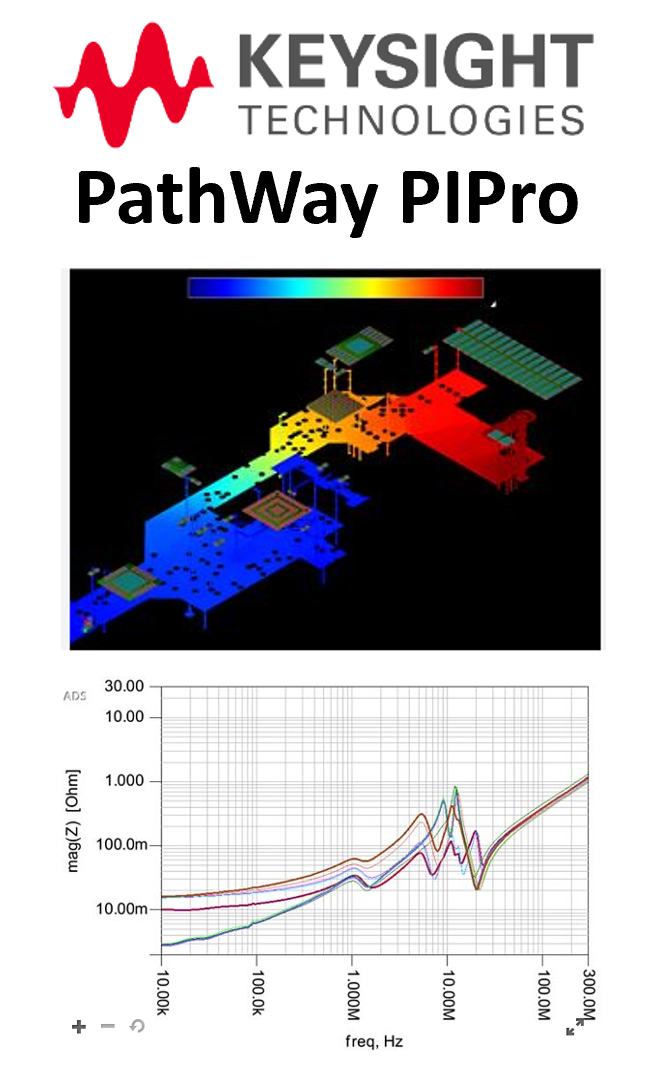
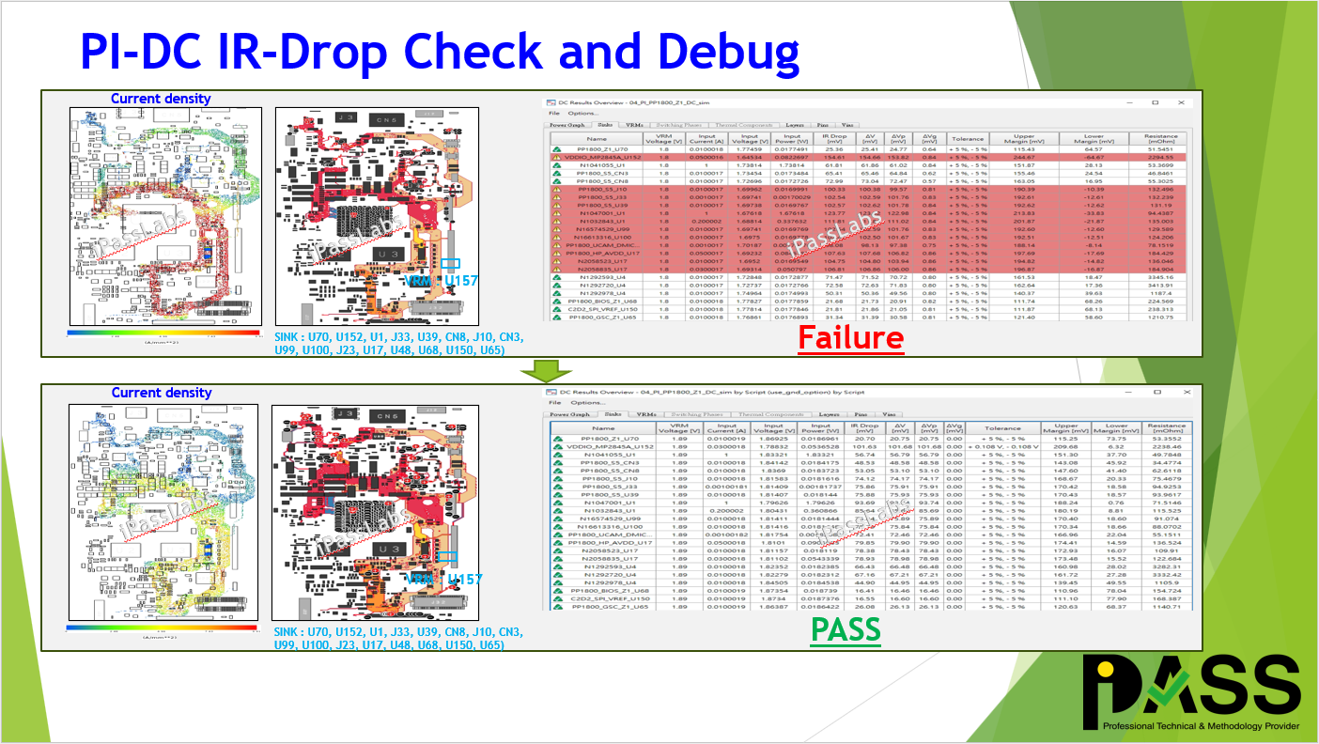
Reliable power delivery is essential to every high-performance electronic system. Operating voltages are typically supplied through voltage regulator modules (VRMs), while increasingly complex system architectures demand tighter control over voltage ripple, power noise, and voltage stability. Power integrity (PI) analysis enables comprehensive evaluation of the power distribution network (PDN), helping identify voltage drop and noise issues early in the design phase to optimize power performance and ensure system reliability.
WHAT Benefits of Power Integrity(PI) Simulation?
As power supply voltages continue to shrink and transistor density increases in accordance with Moore’s Law, power distribution network (PDN) design has become a critical aspect of modern electronic systems. Poor PDN performance can result in excessive voltage drop and power noise, compromising system stability and reliability. Power integrity (PI) simulation enables early prediction and optimization of PDN performance, ensuring stable power delivery and meeting power efficiency requirements in electronic products.
WHEN Do You Need Power Integrity (PI) Analysis?
When product designs incorporate high-current components or high-speed processors with rapid switching activity, power integrity (PI) analysis becomes essential to ensure stable power delivery and reliable system performance. PI simulation is typically conducted through both AC and DC analysis to evaluate power distribution network (PDN) behavior under different operating conditions.
Our simulation testing services and experience sharing:
Taiwan has emerged as a global hub for AI innovation, with major technology companies planning to establish hyperscale data centers across the region. While this growth presents tremendous opportunities, the increasing demand for power has also become a critical challenge.
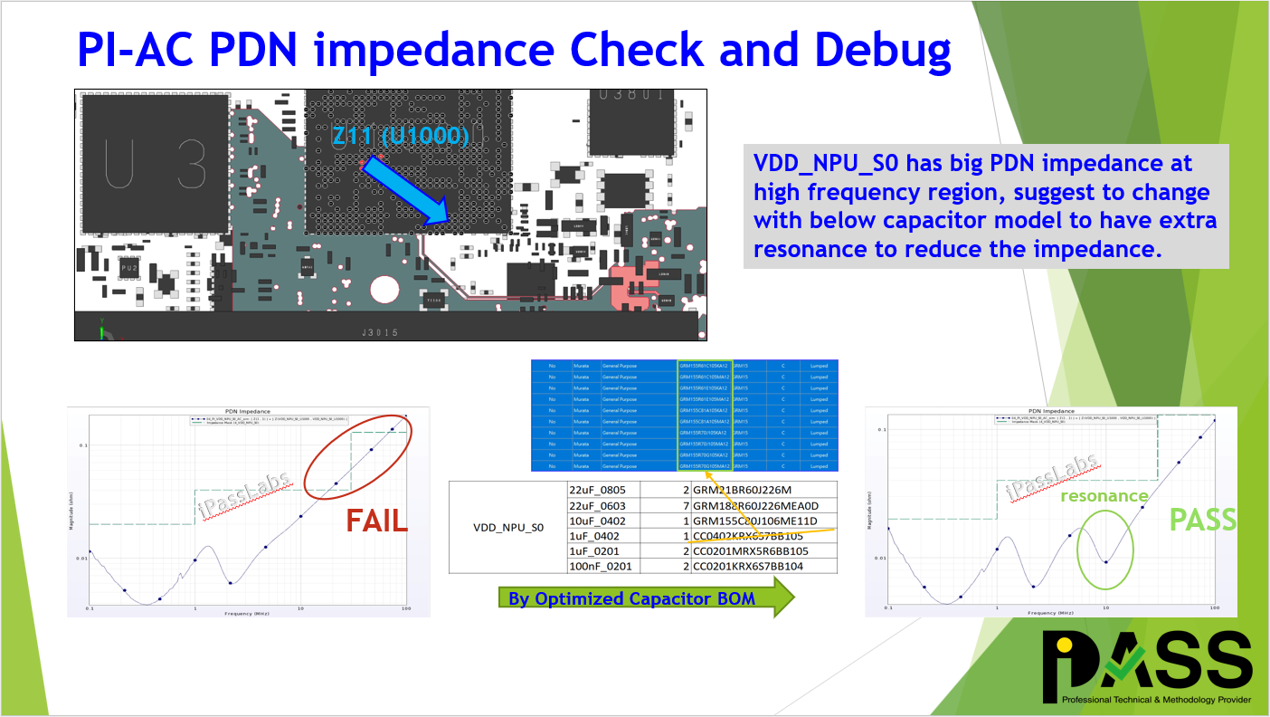
A significant portion of energy loss in data centers originates from internal power management systems, particularly the Power Distribution Network (PDN). Insufficiently optimized PDN designs can result in excessive power loss, voltage instability, and reduced system efficiency. In hyperscale data centers, even small inefficiencies can accumulate into substantial energy waste, significantly impacting operational costs and overall power consumption.
In extreme cases, poor PDN performance may lead to thermal issues, equipment degradation, and even safety risks. As computing density continues to rise, driven by AI servers and high-performance processors, PDN design becomes increasingly complex. Effective impedance control and power loss reduction are essential to improving energy efficiency and maintaining system reliability.
Higher power consumption also generates additional heat, driving demand for more advanced cooling solutions and further increasing total energy usage. As a result, optimizing PDN performance through professional power integrity (PI) simulation tools has become a critical step in the product development process for many customers.
iPasslabs|Simulation Tools